
Ep. 142: Abdu Murray on navigating identity in the age of AI.

Is our dependence on artificial intelligence a good thing?
In this episode of MercyCast, I sit down with Abdu Murray, the author of “Fake ID,” for an honest conversation about faith, technology, and what really makes us who we are. We dig deep into the intersection of artificial intelligence, identity, and Christianity—topics that are shaping how we see ourselves and each other in a rapidly changing world.
Abdu shares his journey from Islam to Christianity, revealing how deeply personal and relational the path to faith can be. Together, we examine how the Imago Dei—the image of God—grounds our identity and purpose, even as artificial intelligence and technology push the boundaries of creativity and relationships. Abdu’s insights challenge us to consider the dangers of over-reliance on AI, emphasizing the irreplaceable value of genuine human connection and compassion.
Episode Highlights:
AI can streamline our lives, but it also complicates our sense of identity.
Abdu’s personal story illustrates how faith journeys are rooted in real relationships.
Understanding the Imago Dei is essential for discovering who we truly are.
The rise of AI prompts big questions about human creativity and purpose.
Overusing AI can lead to cognitive debt and a false sense of companionship.
We discuss why AI should be a tool—not a crutch—and how the Bible anticipated many of today’s technological challenges.
Human relationships remain central to spiritual growth, compassion, and creativity, even in a tech-dominated world.
Grounding ourselves in faith gives us wisdom and resilience to navigate technology’s pitfalls.
Tune in for a conversation that is both timely and timeless, exploring the role of AI, identity, and the Imago Dei in our lives. Whether you’re curious about technology, faith, or the creative process, you’ll find encouragement and insight here. Subscribe to MercyCast and leave a review.
Listen to the full episode:
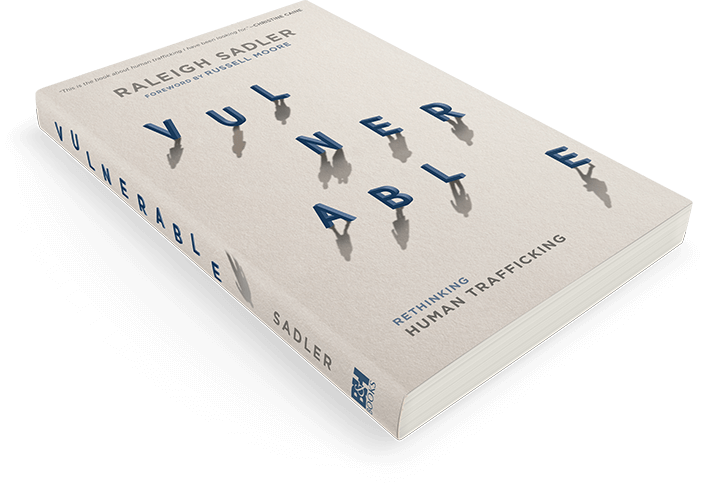
For more conversations like this one, check out my book, Vulnerable: Rethinking Human Trafficking.