
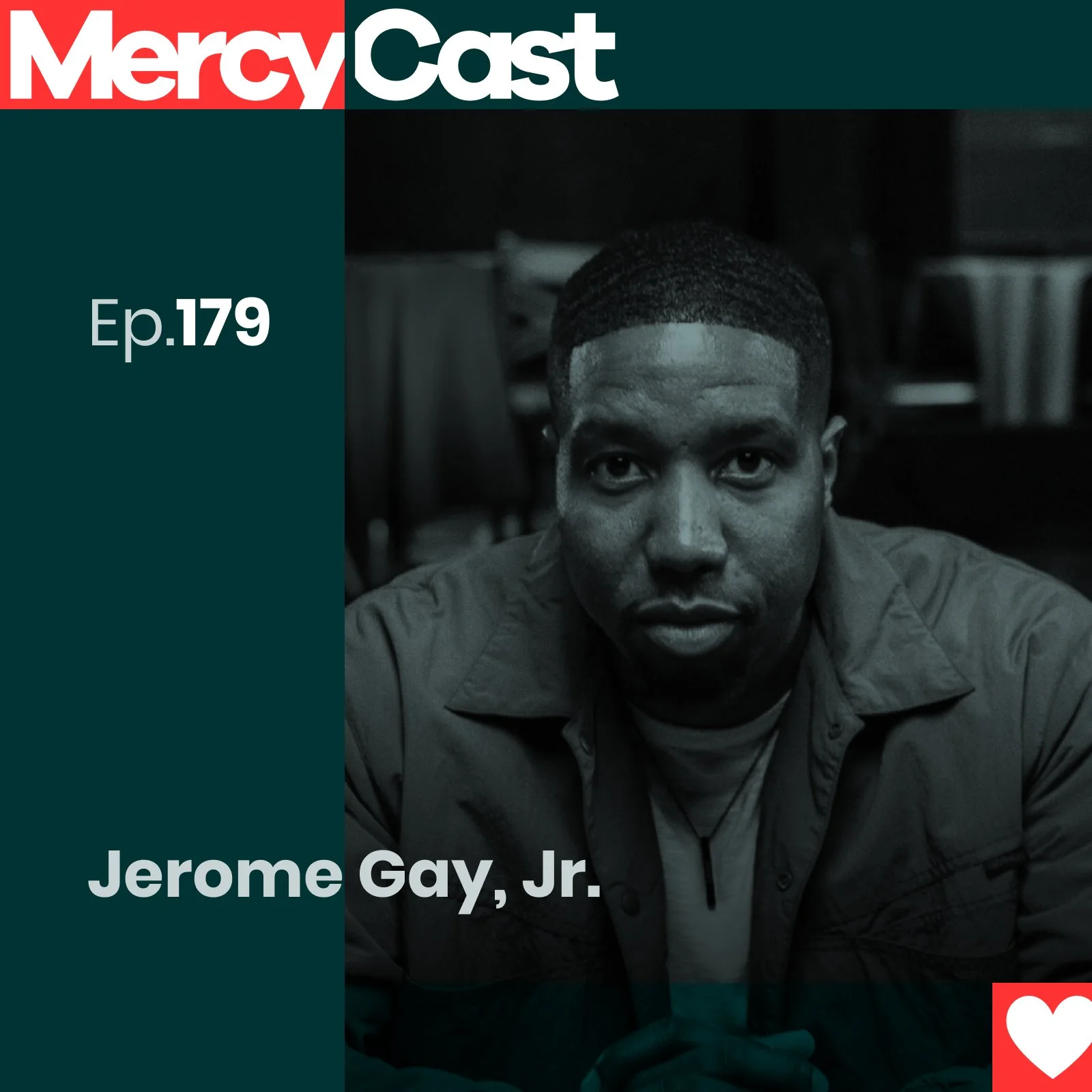
Ep. 179: Jerome Gay, Jr. on the respect languages.
What if men aren't asking for less love—but for love to be communicated in a language they understand?
What does respect mean to men? Why can feeling disrespected affect a man's relationships, emotions, and willingness to be vulnerable? How can husbands and wives learn to communicate in ways that build trust, safety, healing, and deeper connection?
On this episode of The MercyCast, Raleigh Sadler sits down with Pastor Jerome Gay Jr., author of How to Speak Man: Discovering the Respect Languages Men Need, for a powerful conversation about men, marriage, respect, vulnerability, emotional health, relationships, and Christian leadership.
Jerome draws from more than 20 years of pastoral ministry—and his own experience growing up with the effects of his father's drug addiction—to explain why unresolved pain can shape the way men respond to disrespect. He challenges men to stop burying their emotions and learn how to process pain purposefully instead of destructively.
The conversation goes deeper than simply asking women to “respect men.” Jerome explains why both men and women have a role in building healthier relationships. Men need to learn how to communicate what respect looks like for them, while women can learn how to understand better and respond to those needs.
You'll also hear an honest conversation about vulnerability, masculinity, emotions, childhood wounds, marriage, parenting, forgiveness, and healing. Jerome shares why emotions aren't weakness, why men need healthy ways to process what they feel, and how learning to communicate can prevent internalized disrespect from becoming bitterness, distance, or relational breakdown.
5 Key Takeaways
1. Respect can be a pathway to vulnerability.
Jerome describes respect as something that can help men feel safe enough to become vulnerable and communicate honestly in their relationships.
2. Unprocessed pain doesn't simply disappear.
Past wounds can influence present relationships. Jerome encourages men to process their pain rather than allowing it to become anger, bitterness, addiction, withdrawal, or unhealthy behavior.
3. Emotions aren't weakness.
Men don't have to deny sadness, tears, or difficult emotions to be strong. Jerome argues that acknowledging emotions can bring clarity while still requiring wisdom in how you act on them.
4. Healthy relationships require communication.
Whether it's asking for space, setting boundaries, or explaining what makes you feel respected, communication can keep assumptions from turning into resentment. Jerome uses his own marriage and parenting experiences to illustrate this.
5. Your brokenness doesn't have to define you.
Jerome's message is ultimately one of hope: failures and painful experiences don't have to be the final word. They can become part of a process of healing, growth, and refinement.
Start the Conversation
What does respect look like to you?
Ask your spouse, friend, son, daughter, or someone you trust that question—and then listen. Sometimes the first step toward healing a relationship isn't solving the problem. It's finally finding the words to talk about it.
Want to go deeper? Listen to the full episode and discover more resources at MercyCast.com. Pick up Jerome Gay Jr.'s How to Speak Man and use the conversation questions to begin talking about respect, vulnerability, pain, and healing in your own relationships.
Listen. Subscribe. Share this episode with someone who needs it—and keep learning the art of compassion through life's adversity with The MercyCast. Find more episodes at MercyCast.com or wherever you listen to podcasts.
You are loved.
Listen to the full episode:
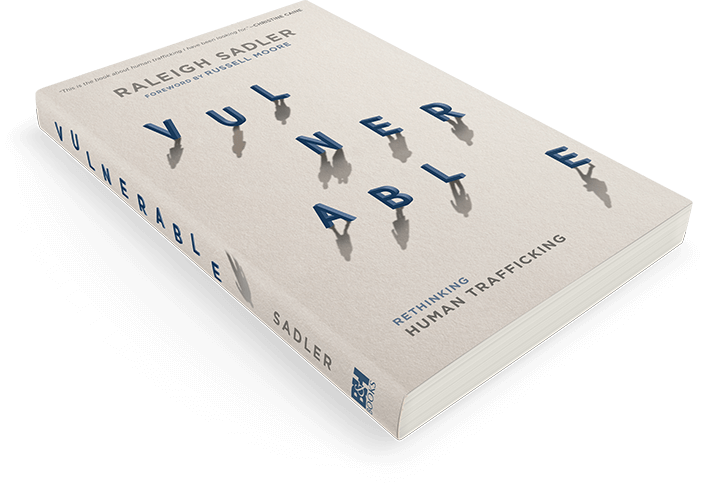
For more conversations like this one, check out my book, Vulnerable: Rethinking Human Trafficking.