

What if the heaviness you're carrying isn't a sign that God is far away—but an invitation to discover He's closer than you think?
Life is messy. Grief doesn't always make sense. Doubt can linger. Ordinary responsibilities pile up, and sometimes we wonder where God is in the middle of it all.
But what if the holy isn't separate from the hard? What if God is meeting you right in the middle of your unanswered questions, unfinished work, and everyday struggles?
On this episode of The MercyCast, Raleigh Sadler sits down with Laura Wifler, poet, bestselling author, and co-founder of Risen Motherhood, to explore Christian faith, grief, creativity, identity in Christ, emotional honesty, and finding hope in everyday life. Laura's debut poetry collection, This Side of the Sky: 101 Poems and Scriptures for the Hungry, Hopeful, and Homesick, gives voice to the complicated places where longing, sorrow, beauty, and hope meet.
Laura knows the heart sometimes feels things the mind can't fully explain. That's part of what drew her to poetry—a form of writing that can name our deepest aches, help us feel seen, and give language to emotions we may struggle to express. In this conversation, she explains why we need art that doesn't always tie everything up neatly, but instead invites us to sit with the tension and discover meaning along the way.
This isn't a conversation about pretending life is easy. It's about learning to recognize God's presence when it isn't.
Laura and Raleigh discuss how the gospel frees us from the exhausting pressure to prove ourselves, manage our reputations, or earn approval through success. When our identity is secure in Christ, we can take creative risks, receive criticism with humility, and pursue meaningful work without making our achievements the measure of our worth.
Laura also opens up about disability, parenting, grief, and the tension of loving someone while facing an uncertain future. As the mother of a daughter with intellectual disabilities, she shares how sorrow and joy can exist together—and why we don't have to rush through grief to arrive at hope. Some experiences are meant to be shared publicly; others deserve the privacy of trusted relationships. Wisdom means knowing the difference.
And then there's the beauty of the ordinary: children coming home from school, a dog interrupting a conversation, the work waiting for us tomorrow, and the responsibilities that fill our days. Even in these unpolished moments, love calls us to be present.
Laura offers a simple question that can reshape the way we spend our time, make decisions, care for others, and navigate difficult seasons:
“What does love require of me in this moment?”
If you've been wrestling with perfectionism, fear of failure, grief, creative insecurity, or the feeling that your life is too ordinary to matter, this conversation will remind you that God is at work right where you are.
6 Key Takeaways
1. Poetry can give words to what your heart already feels.
Sometimes we don't need another explanation. We need language that helps us recognize our own pain, longing, and hope. Laura explains how poetry can make us feel seen and help truth move from our heads into our hearts.
2. You can be honest about grief without giving up hope.
Christian hope doesn't require you to minimize suffering or rush through sadness. Laura discusses lament, the reality of grief, and the promise of a future when God will wipe away every tear. We can acknowledge what hurts while trusting that sorrow won't have the final word.
3. Your identity in Christ frees you from perfectionism.
You don't have to earn God's love through your accomplishments, reputation, creativity, or success. When your identity is rooted in Christ, you can take risks, make mistakes, learn from criticism, and keep moving forward without letting other people's opinions define you.
4. Faith gives you the courage to create and take risks.
Whether you're a writer, artist, parent, entrepreneur, or simply someone trying something new, meaningful work requires a willingness to be vulnerable. Laura explains why creativity is an act of stewardship—and why we can offer our work to God without controlling how everyone receives it.
5. You don't owe the internet every detail of your pain.
Vulnerability matters, but so do boundaries. Laura and Raleigh discuss the pressure to share personal struggles publicly and the importance of protecting the stories of the people we love. Before sharing, ask yourself: Am I serving others, or am I leveraging their pain?
6. Ask what love requires of you today.
You may not know what the next five years will demand of you, but you can often recognize the loving thing to do right now. Sometimes it's creating something meaningful. Sometimes it's accepting correction. And sometimes it's simply welcoming your child home, listening to a friend, or being fully present in an ordinary moment.
Questions Worth Sitting With
Where in your life are you struggling to see God's presence?
Are you measuring your worth by your performance, reputation, or other people's approval?
Is there grief you need to acknowledge rather than rush past?
What would change if you approached your work as an offering to God instead of a way to prove yourself?
What does love require of you right now?
Take the Next Step
You don't have to solve your whole life today. You don't have to understand every hardship, prove your worth, or make every part of your story make sense.
Start with the moment in front of you.
Make space for the grief you've been avoiding. Create something without demanding perfection. Reach out to someone you trust. Notice the beauty hidden in an ordinary day. And when you're unsure what to do next, ask God for the wisdom to see what love requires right now.
Listen to the full episode of The MercyCast for an honest conversation about faith, grief, poetry, creativity, disability, and the hope of Christ in everyday life. If this episode encourages you, follow The MercyCast, like and subscribe, and share it with someone who needs a reminder that God is near in the heaviness.
Explore more conversations about faith, suffering, and learning the art of compassion through life's adversity at MercyCast.com.
Find more conversations about learning the art of compassion through life's adversity at , and explore Laura Wifler's poetry collection, This Side of the Sky.
Life doesn't have to be polished for God to meet you in it.
You are loved.
Listen to the full episode:
For a deeper dive.
Learn more about Laura Wifler and her book. Follow her on Instagram.
You can follow MercyCast on Instagram, Twitter, and Facebook.
Thanks for listening. We want to hear from you!
Email us at info@mercycast.com.
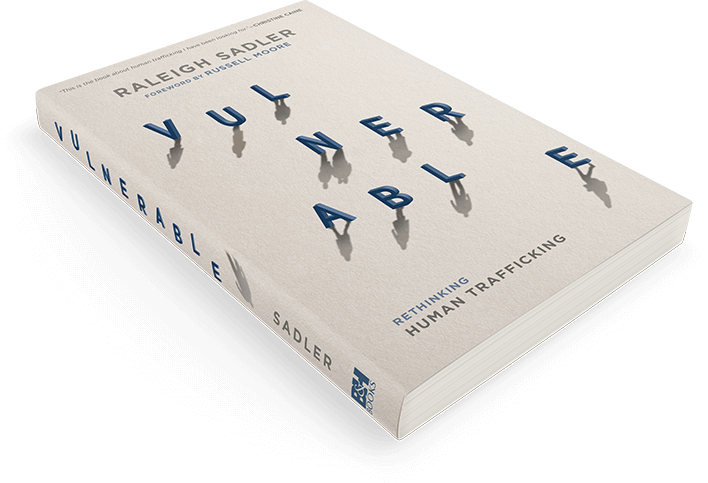
For more conversations like this one, check out my book, Vulnerable: Rethinking Human Trafficking.