
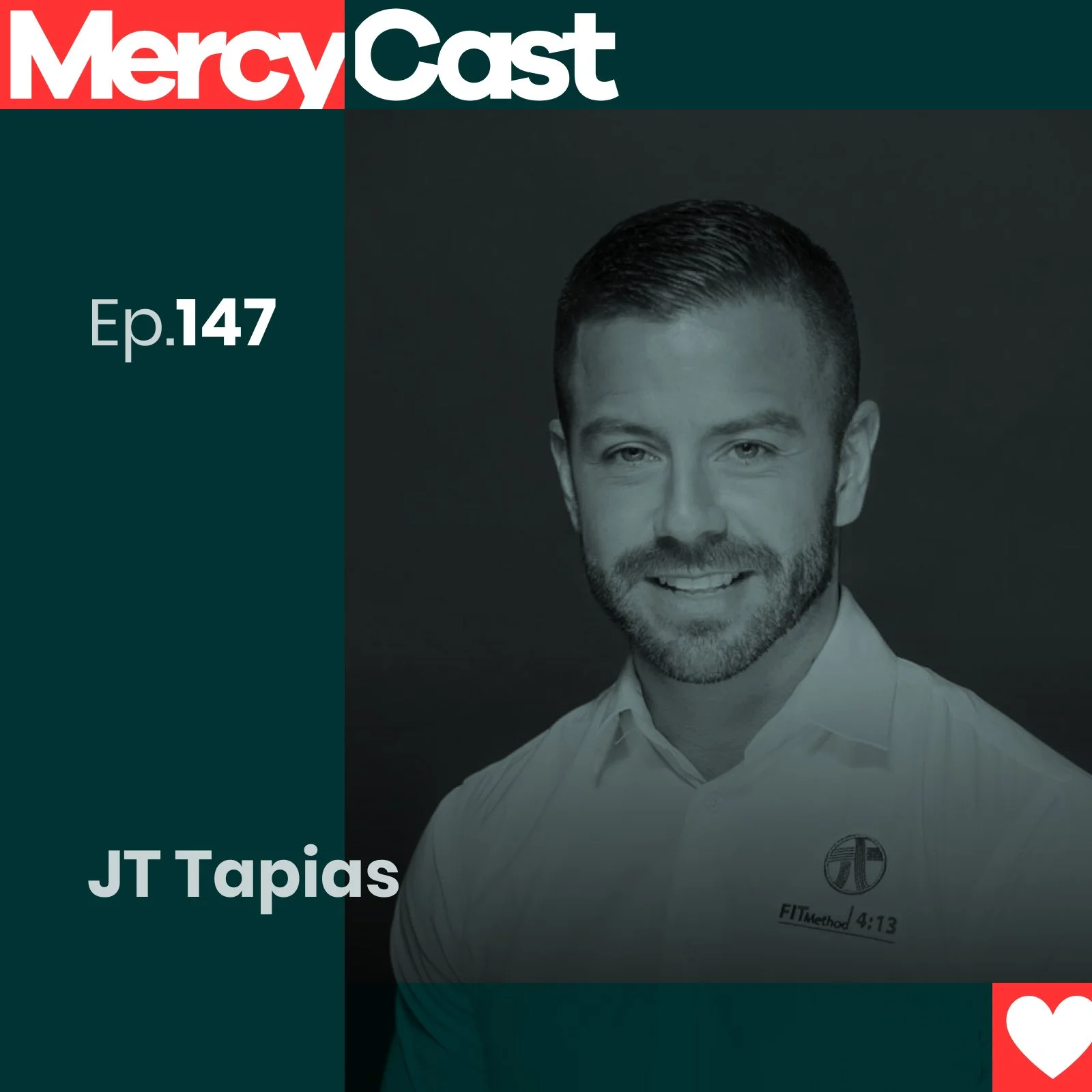
What if the thing you can’t say no to is shaping your spiritual life?
On this episode of the Mercycast, I talk with JT Tapias—former pro soccer player, once-homeless teen, and founder of a Christ-centered nutrition and wellness movement. His story moves from cartel violence and addiction to faith, redemption, and holistic health.
It began with a question I didn’t want to answer:
“What is your relationship to food?”
I wanted tactics. But behavior reveals belief—and belief shapes identity.
After hidden addiction led to an AFib diagnosis and a suicide letter, JT encountered Jesus in a way he couldn’t explain. The next day, he said it felt like “a 2,000-pound gorilla” had lifted off his shoulders.
Dopamine, Discipline & Surrender
We’re constantly chasing relief—food, alcohol, screens, approval. In JT’s word’s: “We are constantly scanning the room for dopaminergic moments.”
So here’s the question: What can’t you say no to?
This isn’t white-knuckled discipline. As I shared: “The law can reveal where you are, but it can’t deliver you. Only the gospel can do that.” In the Christian life, it is motivated by the Gospel. But the Holy Gospel has implications for the whole person. Holistic health—mind, body, and spirit—matters to God. Our stewardship can strengthen our spiritual resilience.
Key Takeaways:
The “why” behind behavior matters.
Addiction often hides in plain sight.
Self-control flows from the Holy Spirit.
Faith must be lived, not just professed.
If this episode stirred something in you, sit with this:
What can’t I say no to?
Bring it to the Lord.
Let surrender shape your growth.
Subscribe to the Mercycast for more conversations on compassion, adversity, faith, wellness, and personal growth—and share this with someone who needs hope today.
Listen to the full episode:
Learn about JT’s Empty Your Bucket Plan. Follow him on instagram.
You can follow MercyCast on Instagram, Twitter, and Facebook.
Thanks for listening. We want to hear from you!
Email us at info@mercycast.com.
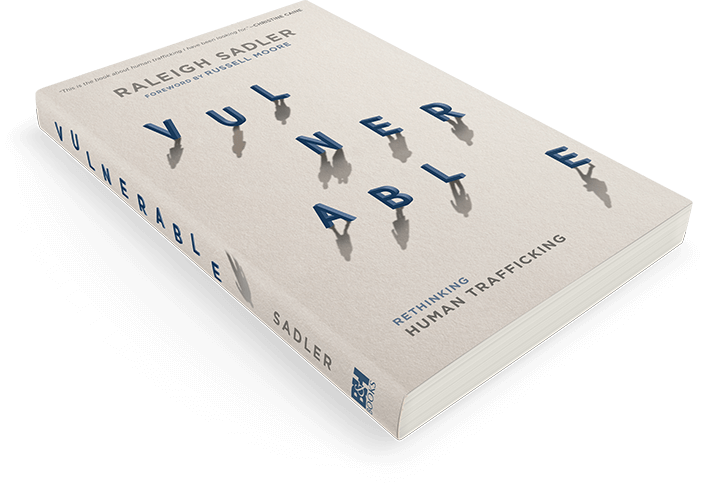
For more conversations like this one, check out my book, Vulnerable: Rethinking Human Trafficking.