
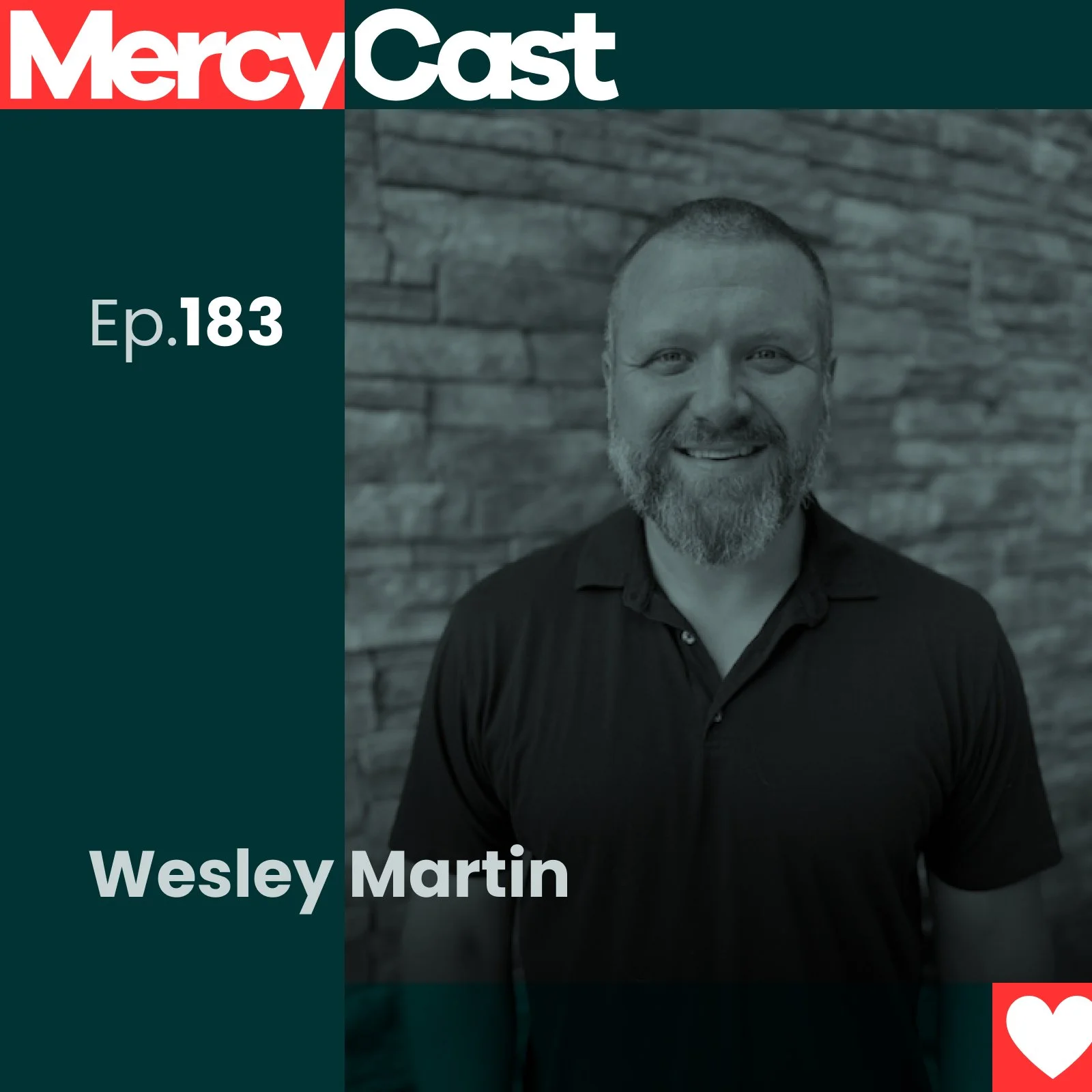
What if the thing you thought would destroy your life became the very thing God used to help you bring hope to others?
Addiction rarely begins with one dramatic decision. Sometimes, it starts with a small step—a party, a new crowd, a way to escape the pain. Before long, the thing you thought would bring freedom becomes the thing controlling your life.
I've seen how adversity can shape us, but I've also seen how compassion, faith, and the right community can help people discover a new way forward. In this episode of The MercyCast, I sit down with Wesley Martin, a client advocate at the Potter's House, part of Atlanta Mission, to hear his powerful story of drug addiction, incarceration, Christian recovery, and restoration.
Wesley grew up in Georgia with the pain of an absent father and a longing for direction. What began as partying and experimenting with drugs eventually led him into methamphetamine and heroin addiction, drug dealing, and nearly four years in federal prison. His life had taken him far from the future he once imagined.
But even in prison, God was not finished with Wesley.
A Bible beneath a prison bunk became a reminder that God had not abandoned him. His journey toward recovery wasn't immediate or easy. Wesley experienced setbacks, struggled to maintain sobriety, and had to confront the choices and relationships that kept pulling him back toward addiction. Eventually, a Christ-centered rehabilitation program helped him begin a deeper relationship with Jesus.
Today, after more than sixteen years in recovery, Wesley uses his experience to walk alongside men facing addiction and other challenges. Through his work at the Potter's House, he helps men pursue recovery through faith, accountability, meaningful relationships, exercise, and the twelve steps.
What stands out to me about Wesley's story is that recovery isn't simply about stopping a behavior. It's about discovering where true freedom comes from, learning to depend on Christ daily, and finding a community that will welcome you back when you stumble.
In our conversation, we talk honestly about the slow drift into addiction, the importance of accountability, the role of Christian community in recovery, and how God can redeem the very experiences we wish had never happened.
Because sometimes the adversity we thought would stop us becomes the story we use to encourage someone else.
What You'll Hear in This Episode
1. Addiction can begin with small steps.
Wesley's story reminds us that life can change direction gradually. What begins as experimentation or a desire to belong can become a destructive cycle. We talk about recognizing the patterns, choices, and relationships that can pull us away from the life we hoped to live.
2. The pain we don't address can shape our choices.
Growing up without a consistent father figure left Wesley struggling with a sense of direction. His story invites us to consider how unresolved pain, loneliness, and the search for belonging can influence our decisions—and why compassion matters when we hear someone else's story.
3. Prison and relapse don't have to be the end of the story.
Wesley's journey included incarceration, rehabilitation, and setbacks after he thought he was moving forward. His experience challenges the idea that one failure defines a person's future. Recovery is a journey that calls for honesty, support, accountability, and the courage to begin again.
4. Christian recovery is about more than changing your behavior.
Wesley found lasting transformation when he began depending on Jesus Christ rather than relying on willpower alone. Exercise, healthy routines, and recovery tools can all play a role, but Wesley emphasizes that his relationship with Christ is at the center of his freedom.
5. The right community can help you keep going.
After a relapse, Wesley returned to Celebrate Recovery and was welcomed with open arms. Instead of being shamed for stumbling, he was encouraged to keep fighting. That kind of community—one that combines accountability with grace—can make a profound difference for people navigating addiction and recovery.
6. Your mess can become a message of hope.
Today, Wesley draws on his own experiences to encourage men who are beginning recovery. Through his work at the Potter's House, he helps others find support, build healthier lives, and explore a relationship with Christ. Our hardest experiences don't have to be wasted; God can use them to help us meet others with greater compassion.
Why Men's Recovery Needs Community
Men struggling with addiction, depression, anxiety, shame, or isolation may feel pressure to suffer in silence. Wesley's story shows why connection matters. Recovery is not simply a private battle fought through determination. It can involve trusted relationships, structured support, healthy boundaries, spiritual growth, and people who understand the road you're walking.
For Wesley, community became especially important when he returned after a relapse and was met with encouragement instead of rejection. Now he offers that same kind of presence to other men.
His story is a reminder that compassion doesn't mean ignoring destructive choices. It means helping people take responsibility while still believing their lives can change.
A Different Definition of Freedom
One of the most powerful things Wesley shares is that he once thought freedom was a destination—a certain number of years sober, a milestone he could finally reach.
Over time, he came to understand freedom differently: it's learning to depend on Christ daily.
That doesn't mean recovery is effortless or that practical tools don't matter. Wesley uses exercise and other healthy practices as part of his routine. But he has learned that those tools cannot replace the foundation of his faith.
His encouragement is simple: you don't have to figure everything out today. You can take one small step toward Christ, toward help, or toward a healthier community.
You may feel that your past has disqualified you. You may have tried to change before and fallen back into old patterns. But a setback doesn't have to be the final chapter.
Questions to Reflect On
What small choices or relationships are shaping the direction of my life?
Is there pain I've been trying to escape instead of facing?
Where do I need accountability, support, or a healthier community?
Have shame or fear kept me from asking for help?
What would it look like to depend on Christ one day at a time?
How might God use my experiences to help someone else?
Take the Next Step
If you're struggling with addiction, supporting someone in recovery, or trying to understand how faith and community can help people rebuild their lives, I hope you'll listen to this conversation with Wesley Martin.
You don't have to wait until everything is fixed to reach out for help. Consider connecting with a trusted person, a recovery community, a qualified professional, or a faith-based recovery program. If you're exploring Christian recovery, ask about the support, accountability, and resources available to you.
And if you feel far from God, start small. Take one step toward him. You don't have to have all the answers before you begin.
Listen to this episode of The MercyCast to hear how Wesley moved from addiction and incarceration toward a life of faith, recovery, and service—and how he now helps other men find hope through the Potter's House and Atlanta Mission.
If this conversation encourages you, like, subscribe, and share the episode with someone who needs a reminder that their story isn't over.
Find more conversations about learning the art of compassion through life's adversity at MercyCast.com. You can also connect with us on social media at @MercyCastPod. Explore more conversations about faith, suffering, and learning the art of compassion through life's adversity at MercyCast.com.
Because the things we thought would stop us can become the places where compassion grows, community takes root, and new life begins.
You are loved.
Listen to the full episode:
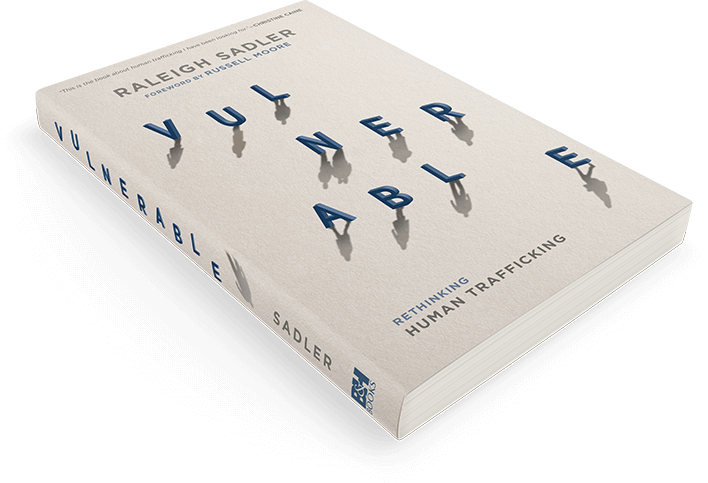
For more conversations like this one, check out my book, Vulnerable: Rethinking Human Trafficking.