

What happens when Christianity becomes a tool for gaining political power instead of a way of following Jesus? How do we know when the name of Christ is used to justify things that contradict his teachings?
These are difficult questions, but I believe Christians need to ask them.
Chances are you were confronted with this at the polls yesterday. Over the years, well meaning believers have told me that I am not a Christian unless I vote Democrat, while others have told me that voting Republican is the Christian way. We live in a time when faith and politics are increasingly intertwined. We're told that if we're genuine Christians, we should hold certain political beliefs, support particular leaders, and see the world through a specific ideological lens. But what happens when political loyalty begins to shape our understanding of Jesus more than Jesus' teachings shape our politics?
On this episode of The MercyCast, I sit down with Dr. Matthew D. Taylor, a visiting scholar at Georgetown University's Center on Faith and Justice and author of Defying Tyrants: Following Jesus in a World of Christian Antichrists. Matthew has spent years studying Christian nationalism, religious extremism, and the ways religious ideas can be used to justify political power.
In our conversation, we explore one of the most pressing questions facing American Christianity today: What does it mean to follow Jesus faithfully in a world increasingly shaped by the pursuit of power?
Matthew explains how Christian nationalism connects national identity with religious identity, often elevating one religious group above others. We discuss how Christian symbols, biblical language, and worship can advance political agendas—and why Christians need to recognize theological propaganda rather than accept messages simply because they sound religious.
But this conversation goes deeper than today's headlines.
Matthew takes us back to the fourth century, when Emperor Constantine's conversion to Christianity helped transform the relationship between Christianity and political power. He traces how the merging of church and empire influenced Christian history, including the Crusades, religious persecution, and colonialism. His argument challenges us to consider whether some assumptions we have inherited about Christian power are consistent with the way of Jesus.
I was especially struck by Matthew's distinction between the power the world celebrates and the kind of life Jesus calls us to live. Jesus challenged hierarchies of human value, welcomed people on the margins, and taught his followers to love their neighbors—even their enemies. He didn't invite his disciples to dominate others in his name. He invited them to take up their crosses.
That distinction matters when we consider how Christians respond to immigrants, refugees, religious minorities, and others who are often pushed to society's margins. If we're serious about following Jesus, we have to ask whether our political convictions help us see our neighbors more clearly—or make it easier to dismiss them.
Matthew also shares the personal cost of challenging Christian nationalism. He discusses losing his job because of the controversy surrounding his book. He reflects on what it means to speak honestly when institutions and individuals may feel pressure to remain silent.
I'm not bringing Matthew onto the show to tell you how to vote or hand you another political checklist. I'm inviting you into a conversation that asks us to think more carefully about our faith, our sources of authority, and the people whose voices shape our understanding of Jesus.
Because if we allow political power to define our Christianity, we may end up defending the very things Jesus came to challenge.
What if the way forward isn't to make Christianity more powerful, but to recover the compassion, humility, courage, and concern for the vulnerable at the heart of Jesus' teachings?
What You'll Discover in This Episode
1. What Is Christian Nationalism?
Matthew defines Christian nationalism as an effort to establish a privileged connection between Christianity and American national identity, giving Christians a preferred place in public life and citizenship. We discuss how religious identity can become a tool for political belonging, exclusion, and control—and why it's important to distinguish Christian faith from the political agendas that claim to represent it.
2. How Religious Propaganda Shapes American Christianity
Religious propaganda doesn't always look like propaganda. It can appear through familiar Bible verses, Christian symbols, worship music, social media influencers, and messages from respected leaders. Matthew explains why Christians need discernment when religious language advances political power, conspiracy theories, or authoritarian ideas.
3. What Constantine Can Teach Us About Christianity and Political Power
The relationship between Christianity and political power didn't begin with modern American politics. Matthew traces an important turning point to Emperor Constantine in the fourth century, when Christianity became increasingly connected to the Roman Empire. We explore how this shift helped shape Christendom and influenced later histories of religious coercion, persecution, and colonialism.
4. Why Jesus Challenges Our Obsession With Power
Jesus lived under Roman imperial rule and challenged the abuse of authority, the elevation of some people over others, and the exclusion of society's outcasts. Matthew argues that following Jesus means resisting coercive control and embracing a cross-shaped way of life—marked by humility, love of enemies, and care for vulnerable people.
5. How Christian Nationalism Affects Marginalized Communities
Our beliefs about power influence how we treat people. We discuss the implications of Christian nationalism for immigrants, refugees, religious minorities, LGBTQ people, and others who experience exclusion. This conversation challenges me—and I hope it challenges you—to consider whether our public convictions reflect Jesus' concern for the people society often overlooks.
6. Why Christians Need to Think Critically About Politics and Faith
What happens when political leaders tell us what faithful Christians should believe? Matthew and I explore the danger of allowing partisan identity to become a test of Christian authenticity. We talk about asking difficult questions, listening across disagreement, and returning to Scripture rather than accepting political messaging without examination.
7. How to Resist Authoritarianism Through the Teachings of Jesus
Matthew offers a hopeful reminder that democracy can be fragile yet resilient, and that the Christian tradition contains resources for resisting tyranny. He points to the New Testament's accounts of Christians living faithfully under the Roman Empire, caring for the vulnerable, and refusing to make domination the measure of success.
Why This Conversation Matters
Christian nationalism, religion and politics, authoritarianism, and the relationship between church and state can be difficult subjects to discuss. For many people, these issues touch deeply held convictions about faith, family, identity, and the future of our country.
But avoiding difficult conversations doesn't help us become more discerning or more compassionate.
One reason I started The MercyCast was to create space for honest conversations about the things that shape us—including the things that challenge us. I don't want to tell you what to think. But I want to start a conversation. I want to invite you to think more deeply, listen carefully, and consider how your faith shapes the way you treat your neighbor.
Matthew's work asks us to look beyond political labels and examine the theology underneath them. Who is defining what Christianity means? How are religious symbols being used? Who benefits when faith becomes a tool of political control? And what happens to the people pushed to the margins when Christians begin to believe they're entitled to power over others?
These aren't just political questions. They're questions about discipleship, human dignity, compassion, and what it means to follow Jesus.
Questions to Consider After Listening
How do I distinguish Jesus' teachings from political messages delivered in his name?
Have I ever assumed that being a faithful Christian requires supporting a particular political party or leader?
When religious language is used to justify power, exclusion, or control, what questions should I ask?
Does my understanding of Jesus lead me toward people on the margins—or away from them?
How can I remain in meaningful conversation with someone whose political beliefs differ from mine?
What would a cross-shaped approach to power, leadership, and public life look like in my own community?
Take the Next Step
I encourage you to listen to this full conversation with Dr. Matthew D. Taylor, especially if you're wrestling with the relationship between Christianity and American politics, trying to understand Christian nationalism, or wondering how to follow Jesus faithfully in a polarized society.
As you listen, resist the temptation to hear only what confirms what you already believe. Consider the history. Examine the arguments. Return to the teachings of Jesus. And ask yourself whether the way you understand power is helping you love your neighbor more fully.
You don't have to agree with every point in this conversation to benefit from engaging it honestly. Sometimes growth begins when we become willing to ask questions we would rather avoid.
Listen to The MercyCast for more conversations about Christian faith, compassion, social issues, and learning from the adversity that shapes us. If this episode challenges or encourages you, please like, subscribe, and share it with someone who might benefit from the conversation.
Find more episodes and learn about our mission of learning the art of compassion through life's adversity at MercyCast.com. You can also connect with us on social media at @MercyCastPod.
If this conversation encourages you, like, subscribe, and share the episode with someone who needs a reminder that their story isn't over.
Find more conversations about learning the art of compassion through life's adversity at MercyCast.com. You can also connect with us on social media at @MercyCastPod. Explore more conversations about faith, suffering, and learning the art of compassion through life's adversity at MercyCast.com.
Because following Jesus isn't about proving our side deserves power; it's about learning to love our neighbors, care for the vulnerable, and live out the way of Christ—even when the world tells us power matters most.
You are loved.
Listen to the full episode:
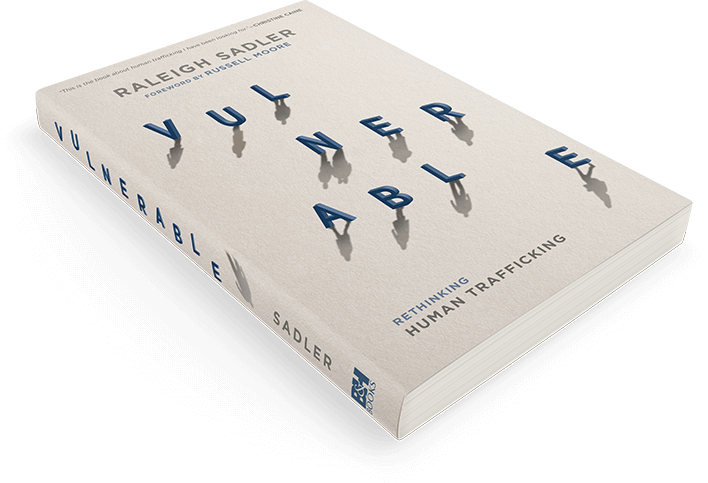
For more conversations like this one, check out my book, Vulnerable: Rethinking Human Trafficking.